
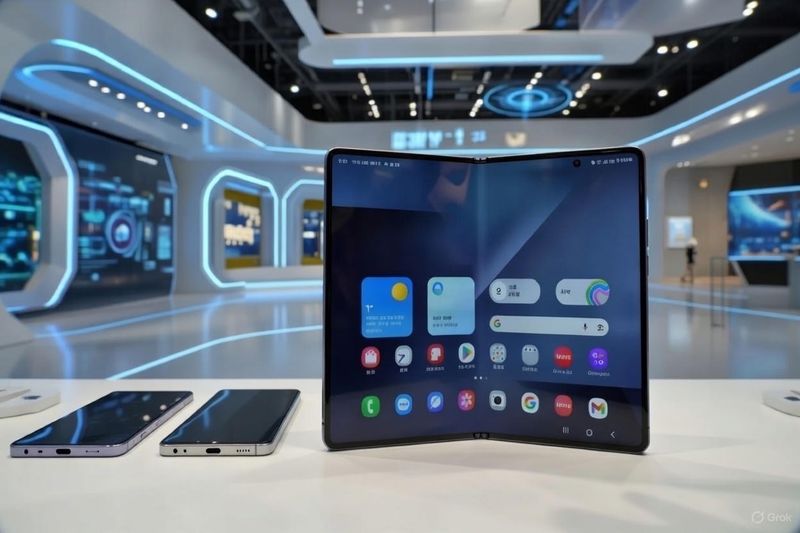
In 2026, smartphones are set to cross a decisive threshold, marked not by dramatic redesigns or headline launches, but by the slow realisation that your trusty pocket rocket has officially become the boss computer of your life. Picture this: that screen you groggily poke first thing in the morning is about to pack monster batteries, console-crushing gaming power, sneaky-smart on-device AI and a price tag that winks and says, “Hey, I’m worth it. You can’t live without me!”
This transformation will happen through a series of small, powerful upgrades that change how long your phone lasts, what kind of content it can run and how much of your personal data it silently protects in the background.
As companies like Samsung push foldables closer to the mainstream and weave AI into everything from notifications to system settings, 2026 will feel less like another annual refresh and more like a reset of what a smartphone is meant to be.
Against this backdrop, here’s how the smartphone landscape is likely to evolve.
Get ready to shell out more
Brace yourself, even basic smartphones are getting more expensive. Not flagship-expensive, but the era of ultra-cheap, compromise-heavy phones is fading fast.
The sticker shock’s because of better displays, larger batteries, longer software support, stricter manufacturing standards and rising component costs. Brands would rather sell you a slightly pricier phone that lasts four years than a cheaper one you replace in 18 months. The upside? Entry-level phones will feel far less disposable. Smoother performance, better cameras and cleaner software will become standard, not luxury.
In short, you’ll pay more upfront, but swear less at your phone later.
Era of 10,000 mAh battery
For years, camera megapixels and charging speeds stole the spotlight. In 2026, battery capacity will take centre stage. 2025 has already seen 7,000-8,000 mAh batteries creep into mainstream phones. Leaks suggest brands are testing 8,500-9,000 mAh packs.
At least one OEM is working on a 10,000 mAh smartphone for early 2026, helped by high-density silicon-carbon battery tech that keeps phones relatively slim.
Combined with AI-driven power management and more efficient chipsets, this means two-day battery life won’t be a talking point anymore, it’ll be expected.
Ultra-fast charging? It might chill since brands care more about your battery living happily ever after. Power banks? Cute relics.
Console-level gaming
If your console gets jealous of your phone in 2026, it will be for good reason. Current gaming and foldable flagships already ship with top-tier chipsets like Snapdragon’s Elite-class SoCs and up to 16 GB RAM, pushing high-FPS and visually rich games smoothly.
In 2026, that hardware will be paired with larger batteries and high-refresh-rate displays (144 Hz and beyond are already being teased in upcoming trends). Foldables and big-screen devices will blur the line between handheld console and phone, especially as cloud gaming and desktop modes (like DeX-style setups) improve. Game on!
The foldable wave
Foldables have been flirting with mainstream acceptance. In 2026, they may finally get serious.
Samsung’s leaked roadmap shows it doubling down on foldables with Galaxy Z Flip 8, Z Fold 8 and even a more affordable Flip FE to pull more people into the category. These phones will have thinner bodies, stronger hinges, fewer visible creases and better battery efficiency. The focus will shift from showing off engineering to delivering reliability.
The bigger question is Apple. A possible foldable iPhone, if it launches, won’t be about being first. It will be about getting it right with polished apps, durable design and seamless multitasking. If Apple enters the foldable market, everyone’s folding. You bet.
AI inside
Instead of flashy demos, smartphones will use AI subtly as it improves photos, predicts battery usage, summarises notifications, enhances calls and optimises performance in the background. At the same time, regulation will push companies to be clearer about what AI does and what data it uses. Smarter phones, yes, but also more accountable ones.
Security, Longevity Take Priority
As phones become more powerful, they also become bigger targets. In 2026, security will be a selling point, not an afterthought. Hardware-level encryption, better biometric systems and longer security update commitments will become standard, even in non-flagship phones. Owning a phone for five years won’t sound unrealistic anymore.
The phone you trust
Your smartphone will feel dependable. Less flashy, more capable. A device that lasts longer, plays harder, folds smarter and does more in the background without demanding your attention. Smartphones in 2026 won’t try to amaze you every day. They’ll try to not let you down.
